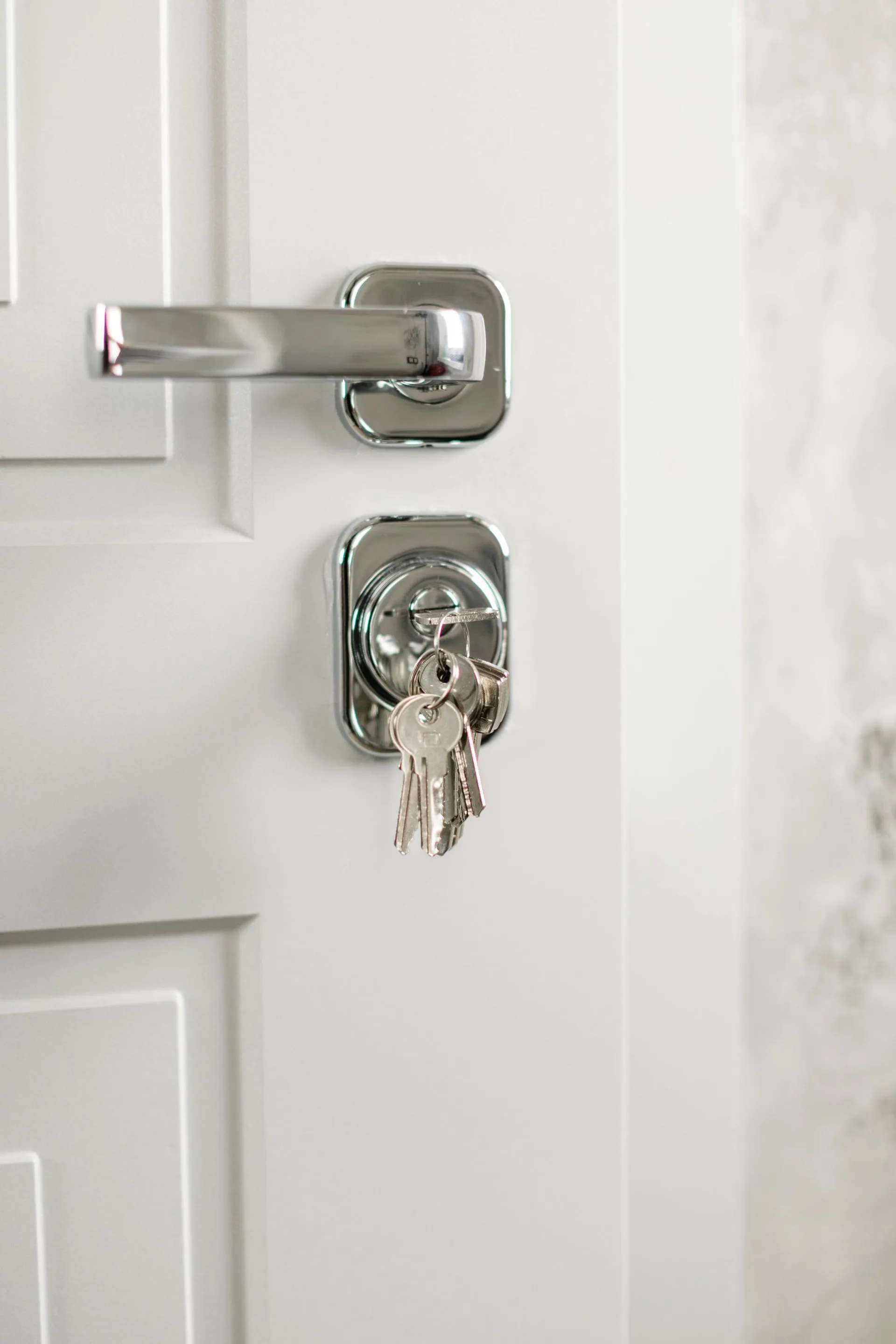
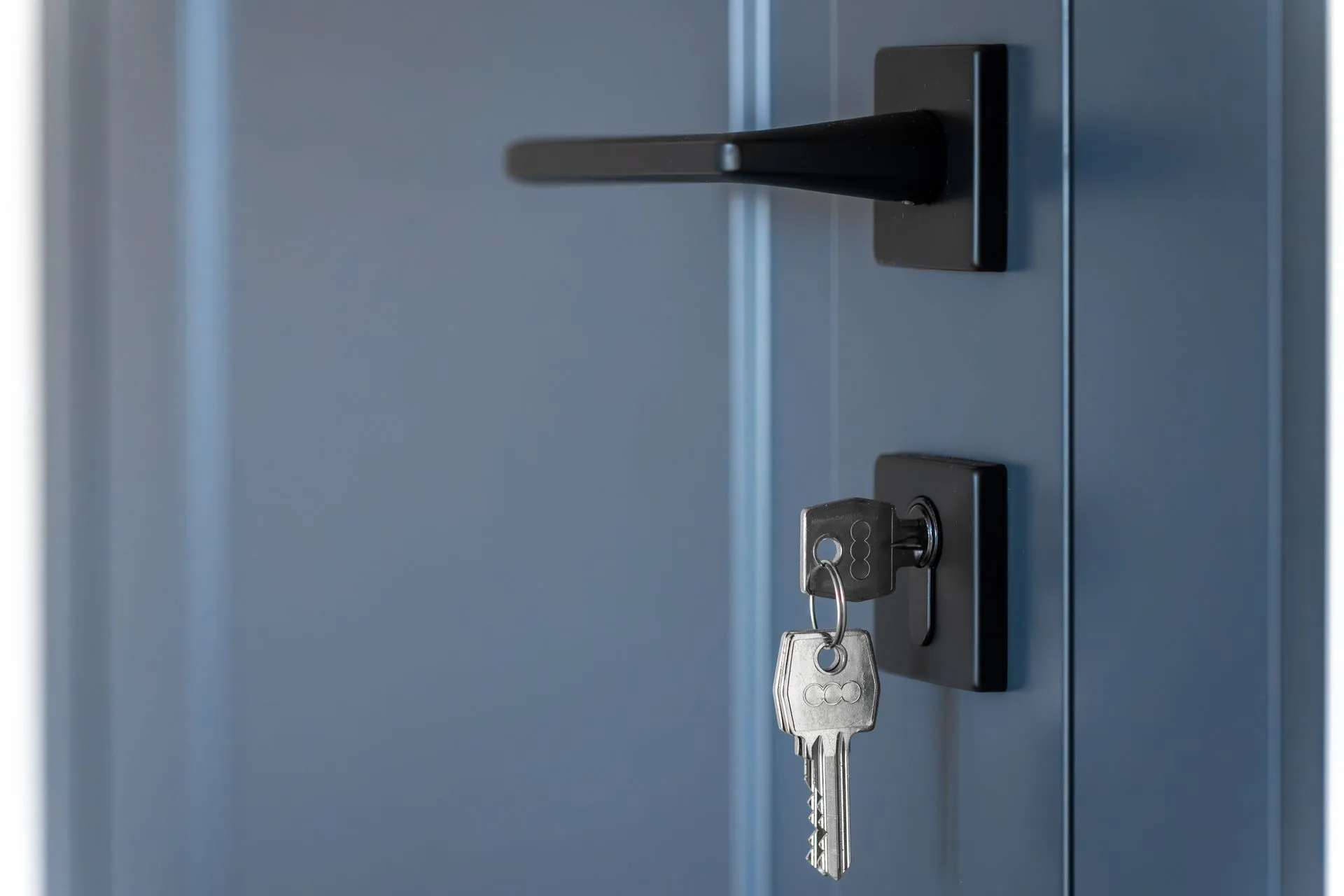
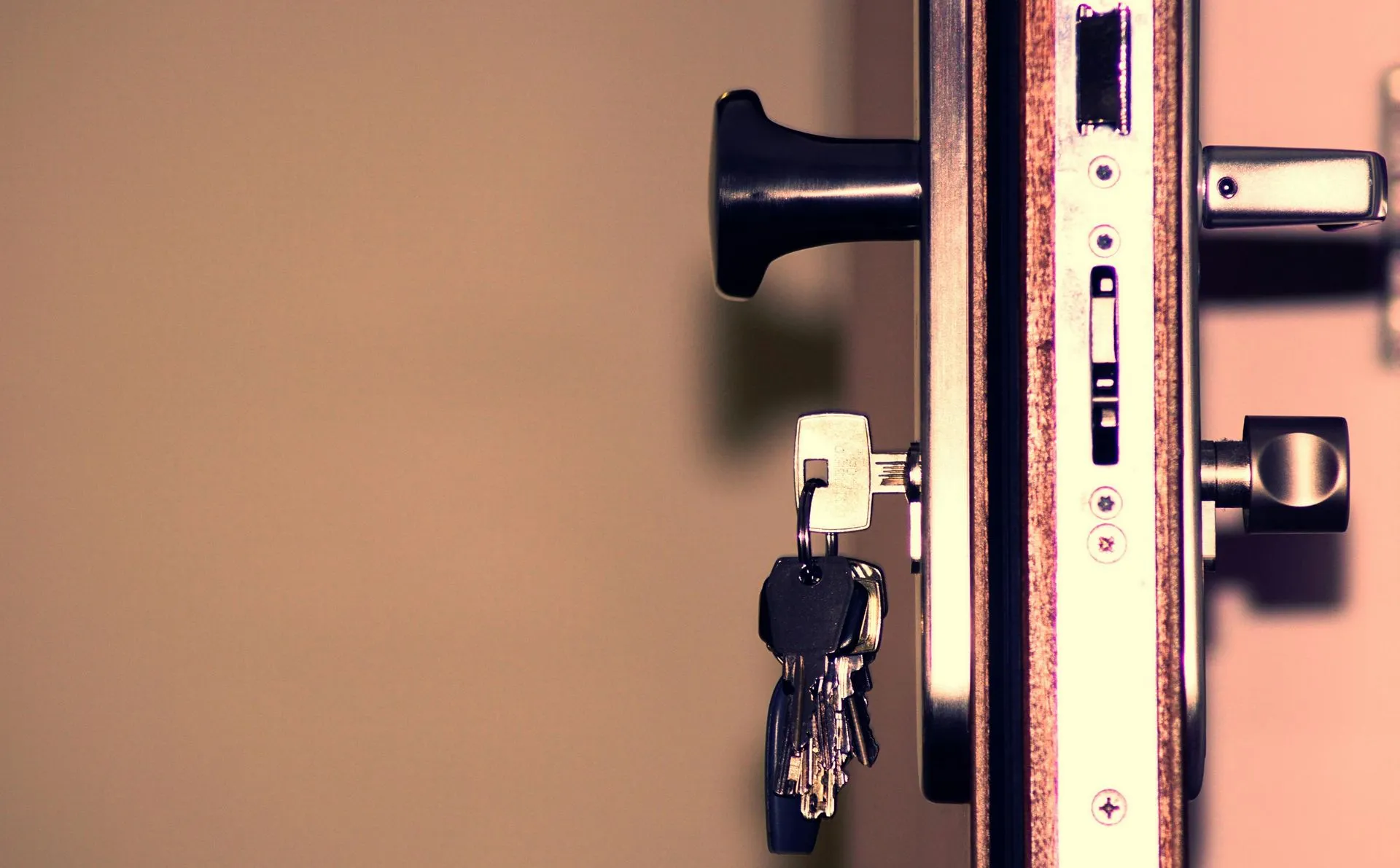
If your key suddenly becomes harder to turn every Montgomery summer, your lock may not be the only problem. Alabama humidity can swell wooden doors, shift deadbolt alignment, corrode internal lock parts, and make smart locks work harder than they should. Montgomery homeowners can reduce this damage through regular cleaning, proper lubrication, early repairs, and weather-resistant lock upgrades.
If your key suddenly becomes difficult to turn during the summer, the lock itself may not be the only problem. Changes in the door, frame, strike plate, or internal lock components can all affect how smoothly the lock works.
About Time Locksmith helps homeowners identify these problems before a sticky lock becomes a broken key or home lockout. A professional
residential locksmith in Montgomery, AL can determine whether your lock needs a simple adjustment, repair, rekey, or replacement.
How Does Alabama Humidity Affect Door Locks?
High humidity affects both the door and the lock. Moisture can change the shape of wooden doors while also increasing the risk of corrosion inside exposed metal hardware.
Montgomery’s long, humid summers can make these problems worse because
exterior doors remain exposed to moisture, rain, heat, and temperature changes for months at a time.
Wooden Doors Can Swell and Shift
Wood absorbs moisture from the surrounding air. As a wooden exterior door takes in moisture, it can expand enough to change how the latch or deadbolt lines up with the strike plate.
You may notice that:
- The door must be pushed or pulled before it locks
- The deadbolt rubs against the strike plate
- The latch no longer enters the opening smoothly
- The key becomes harder to turn when the door is closed
- The door works normally when open but sticks when shut
For example, a deadbolt that turns easily with the door open but becomes difficult when the door is closed usually points to an alignment problem rather than a damaged cylinder.
Do not force the key. Excess pressure can bend the key, damage the cylinder, or break the key inside the lock.
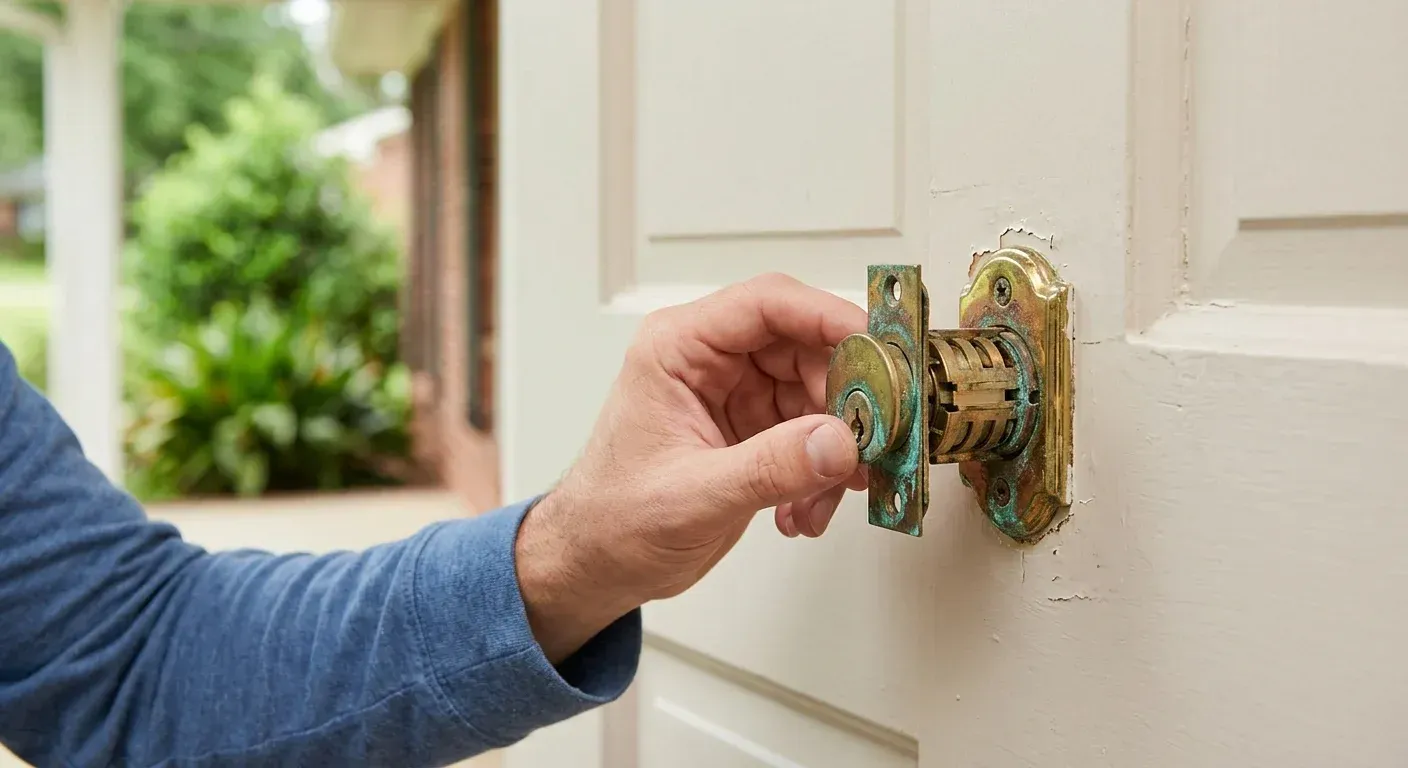
Moisture Can Corrode Internal Lock Parts
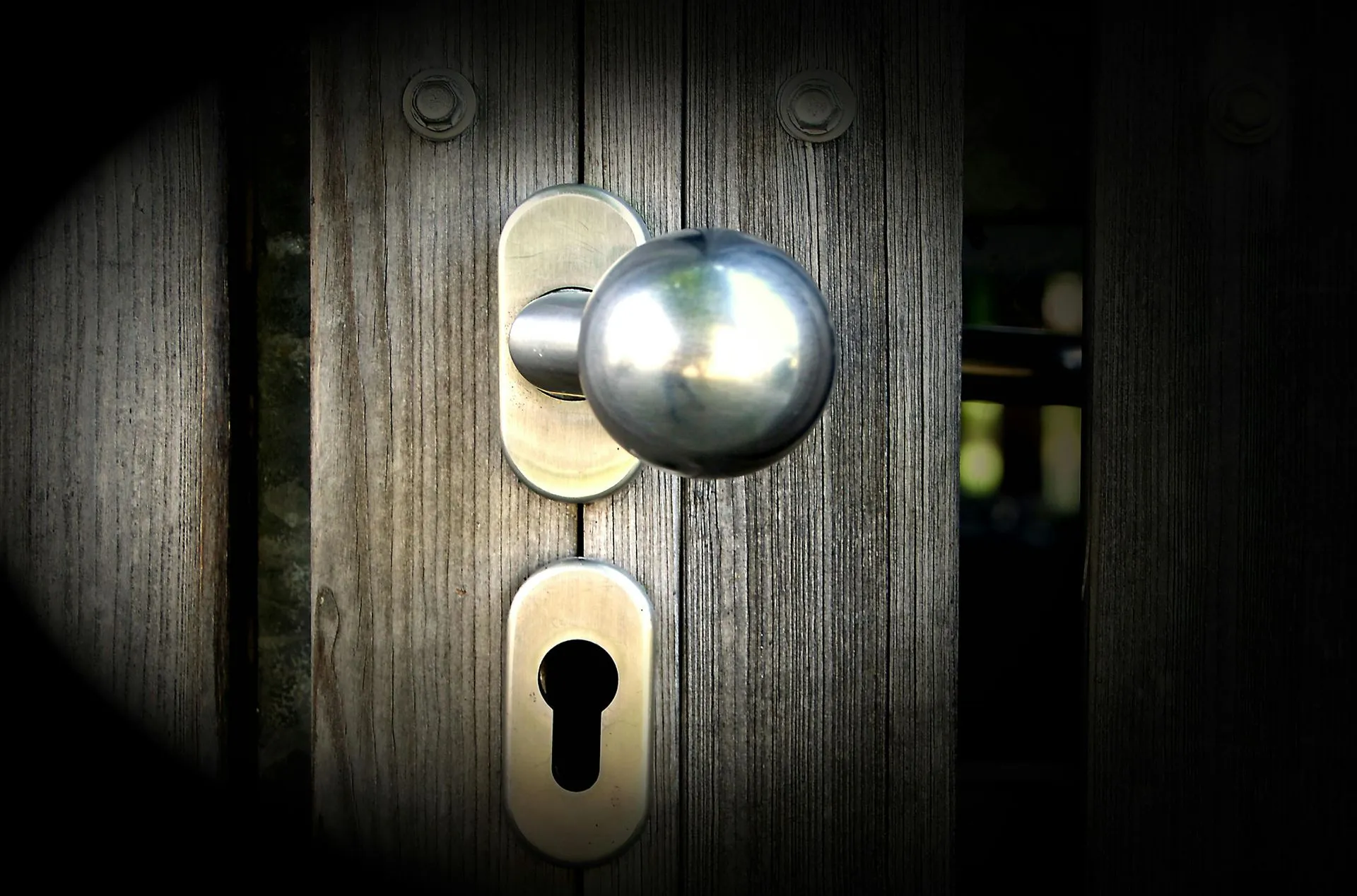
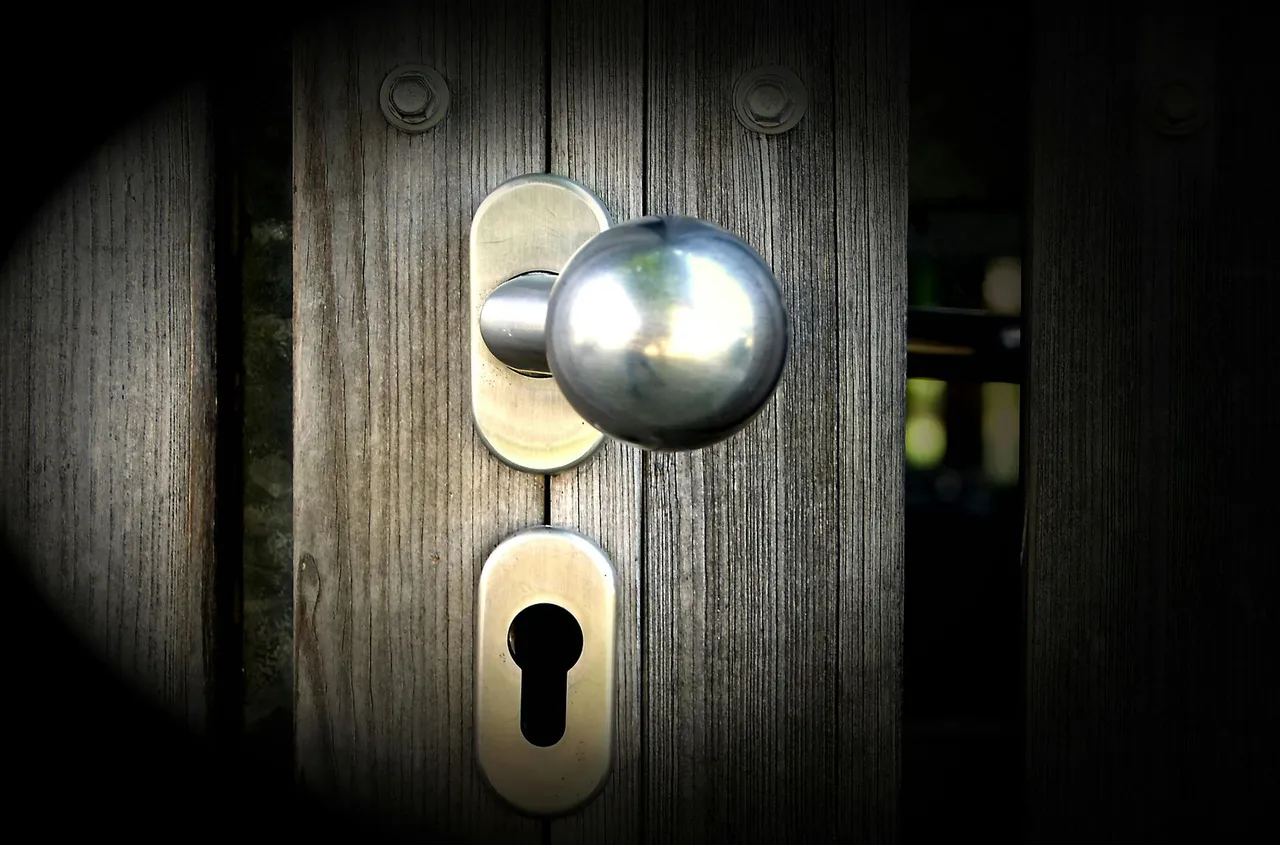
Moisture can enter the keyway and collect around the cylinder, pins, springs, screws, and latch mechanism. Over time, corrosion can make these small parts rough, weak, or difficult to move.
Early signs of moisture-related lock damage include:
- Rust around the keyway or faceplate
- Grinding or scraping when the key turns
- A latch that retracts slowly
- A key that does not slide in smoothly
- Loose, discolored, or pitted hardware
Some corrosion can be cleaned and serviced. More serious damage may require professional lock repair or replacement before the lock stops working completely.
For additional prevention tips, read about other
common lock problems and how to avoid them.
What Should Montgomery Homeowners Do to Protect Their Locks?
Montgomery homeowners should
inspect exterior locks regularly, keep them clean, correct door alignment problems early, and use only a lubricant recommended for the specific lock. These simple steps can reduce wear and help prevent sudden lock failure.
Check Door Alignment Before Blaming the Lock
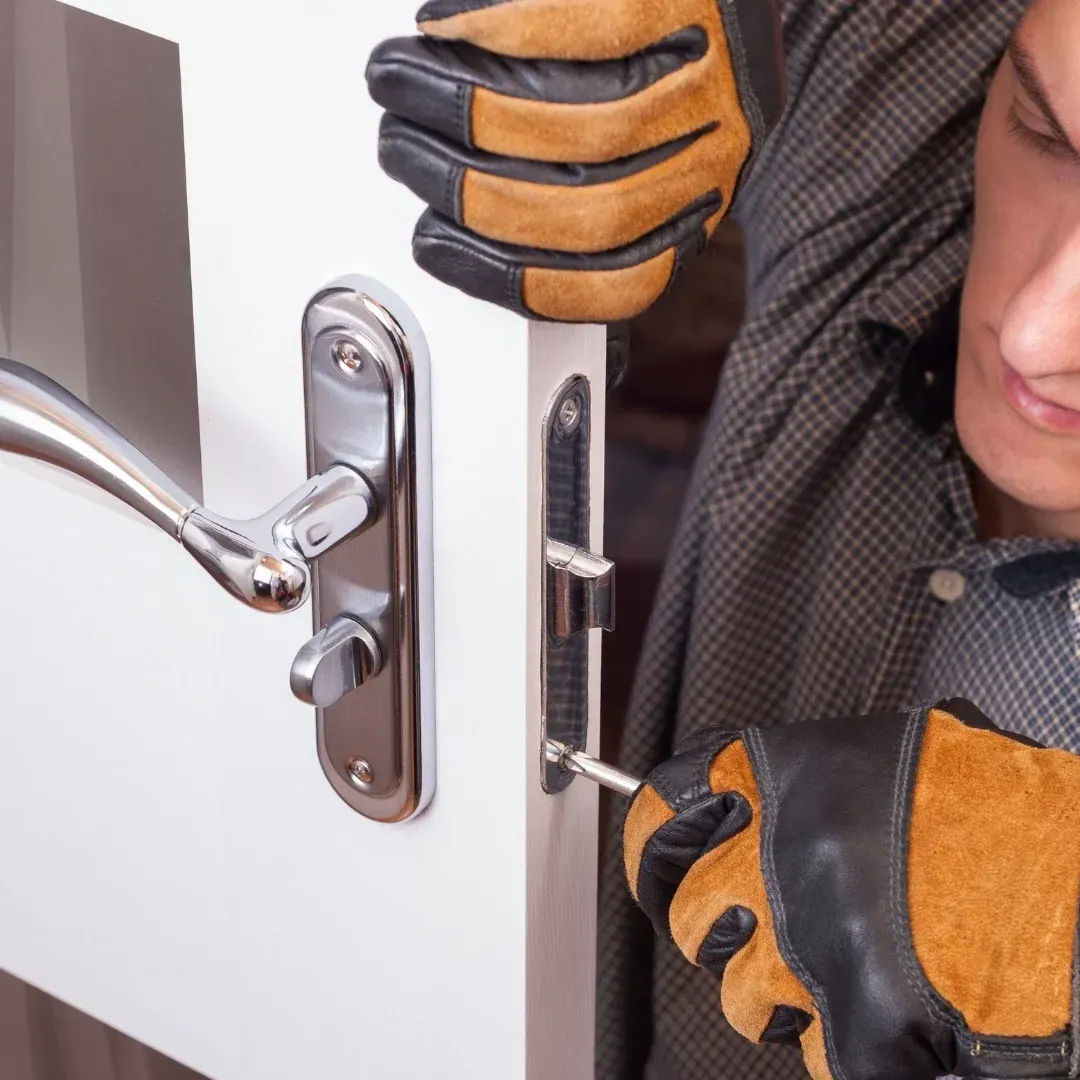
Open the door and operate the deadbolt several times. If it moves smoothly while the door is open but sticks when the door is closed, the strike plate or door alignment is likely the problem.
Check for:
- Loose hinge screws
- A sagging door
- Rub marks around the strike plate
- A gap that has become uneven
- A latch that sits too high or too low
Tightening a loose hinge screw may solve a minor problem. However, moving or enlarging a strike plate incorrectly can weaken the frame or leave the deadbolt with less protection.
Keep Exterior Hardware Clean and Dry
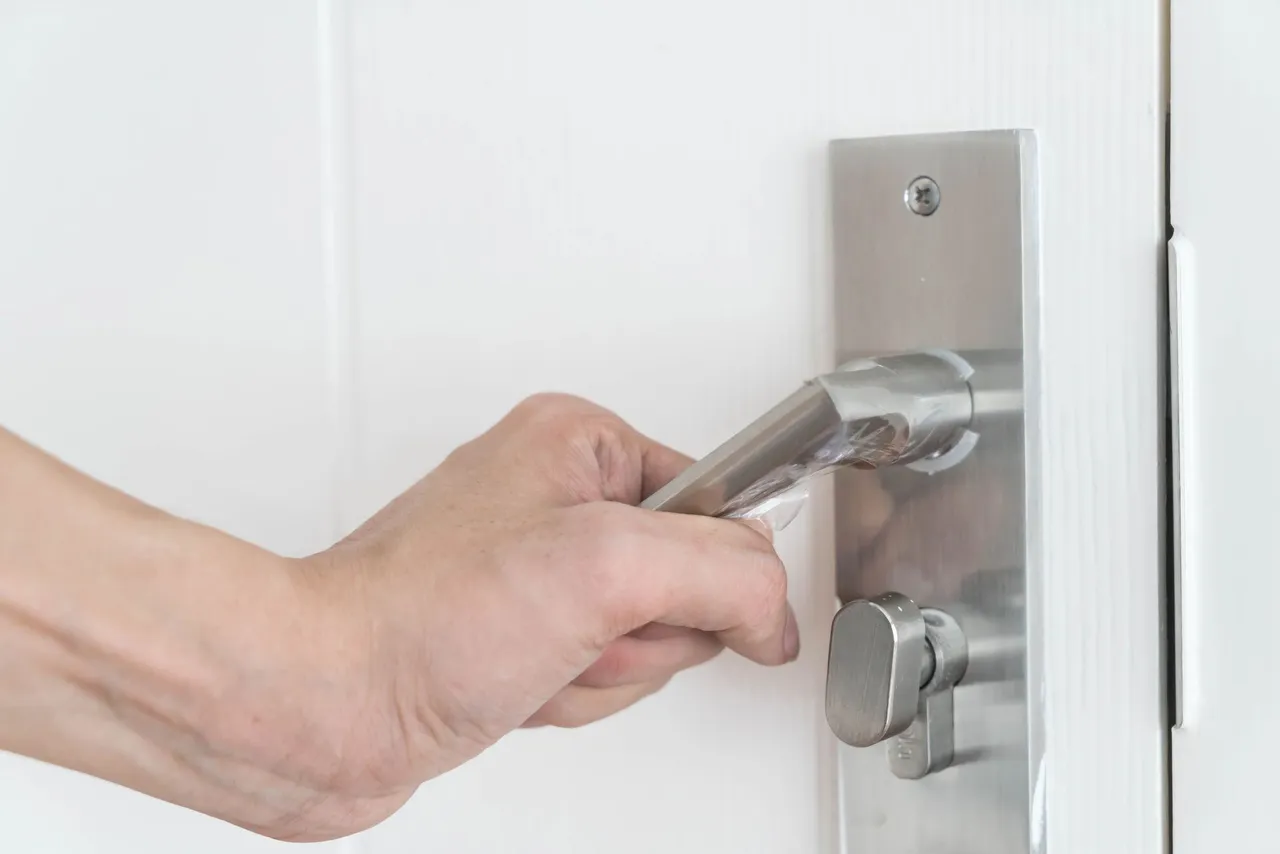
Wipe exterior lock hardware with a soft cloth and mild soapy water when dirt or residue builds up. Dry the hardware afterward and avoid harsh cleaners that could damage the finish or protective coating.
Also, check whether sprinklers, gutters, or roof runoff are repeatedly soaking the door. Reducing direct water exposure can help protect both the lock and the surrounding door material.
Use the Correct Lock Lubricant
Do not treat a general-purpose penetrating spray as a permanent solution for every sticking lock. Some products leave residue or may not be recommended for your lock’s internal materials.
Use a lock-specific lubricant recommended by the manufacturer, such as an appropriate PTFE or silicone-based product. Apply it sparingly because too much lubricant can collect dirt and interfere with small internal components.
If the lock continues sticking after lubrication, stop forcing it. The cylinder may be corroded, the key may be worn, or the door may be misaligned.
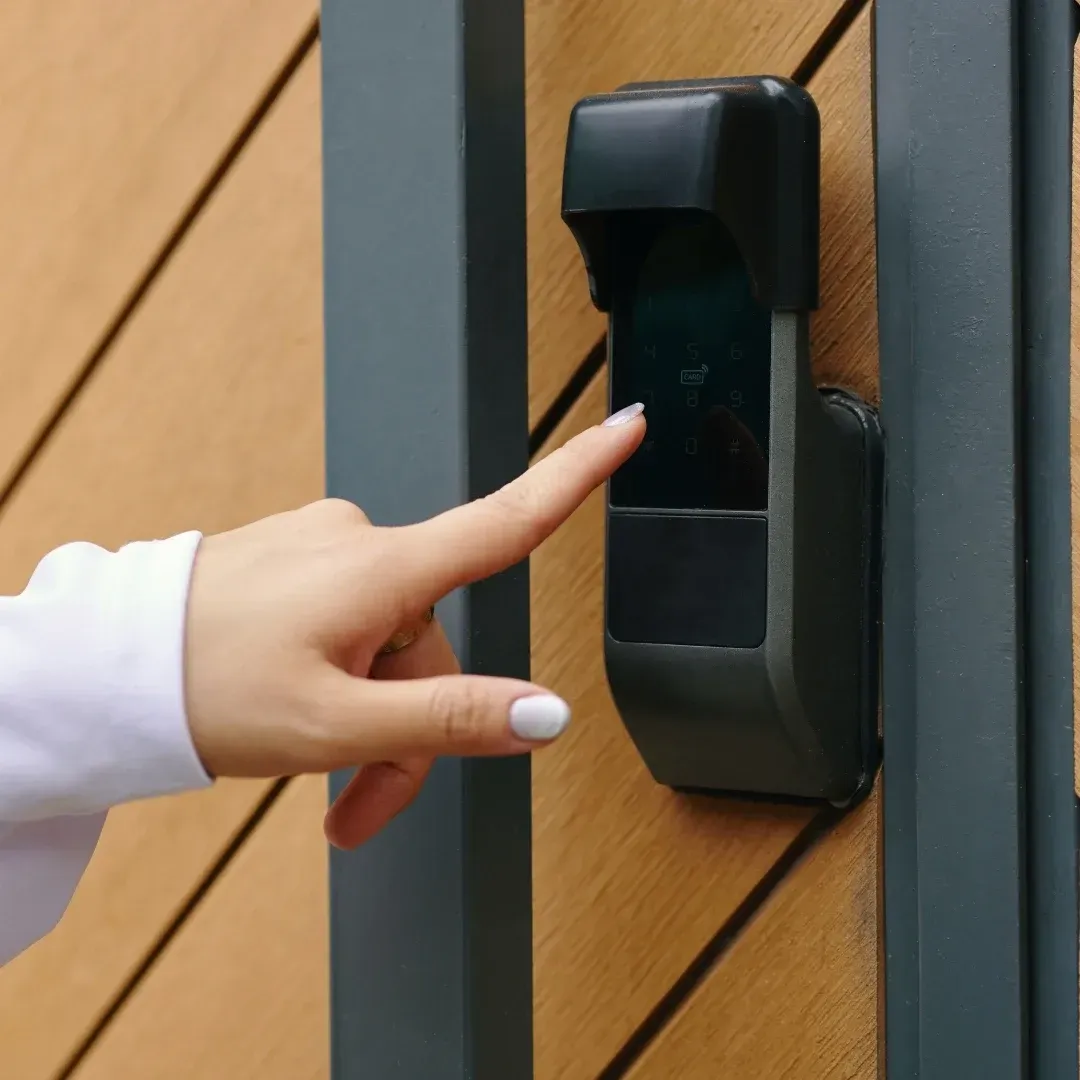
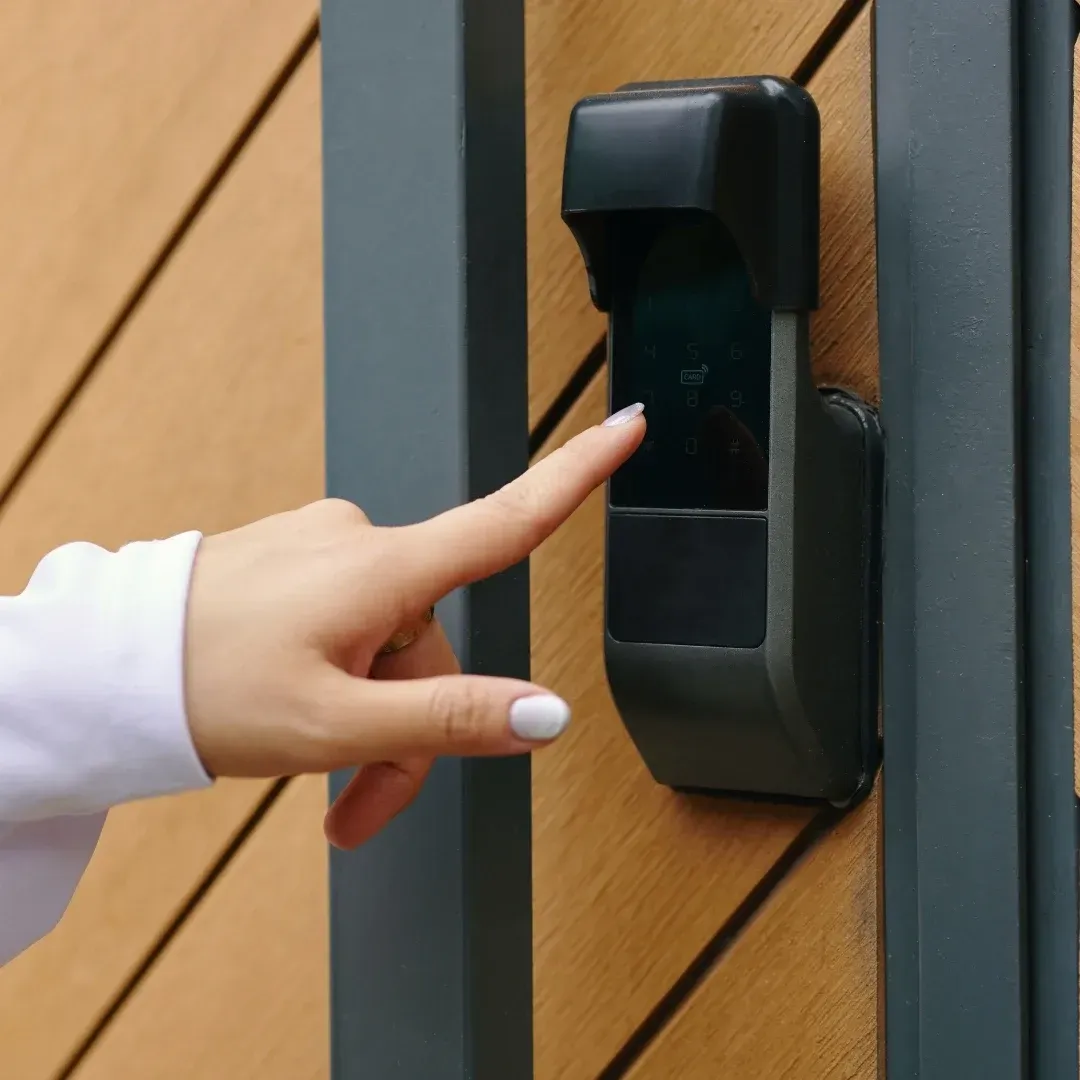
Can Alabama Humidity Damage Smart Locks?
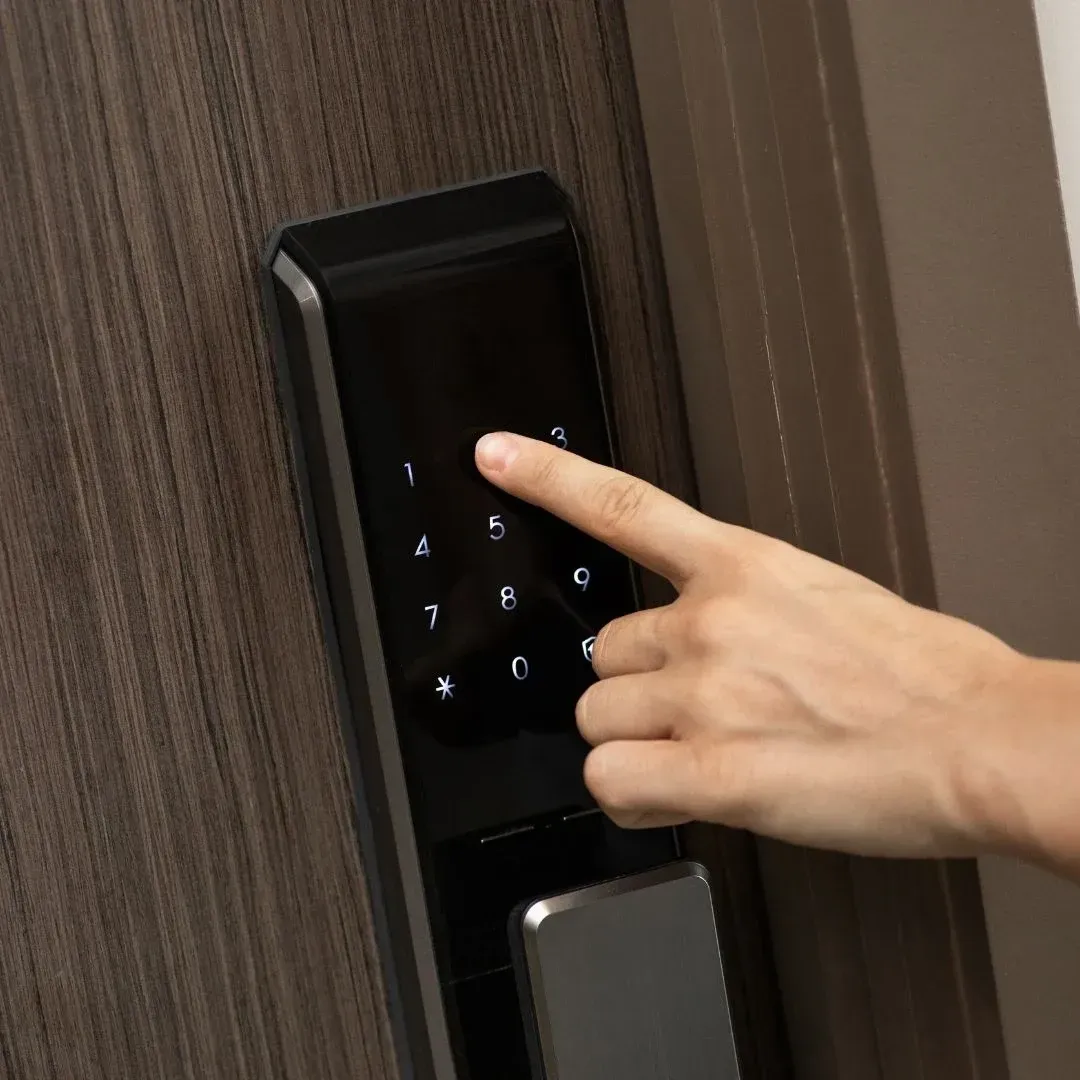
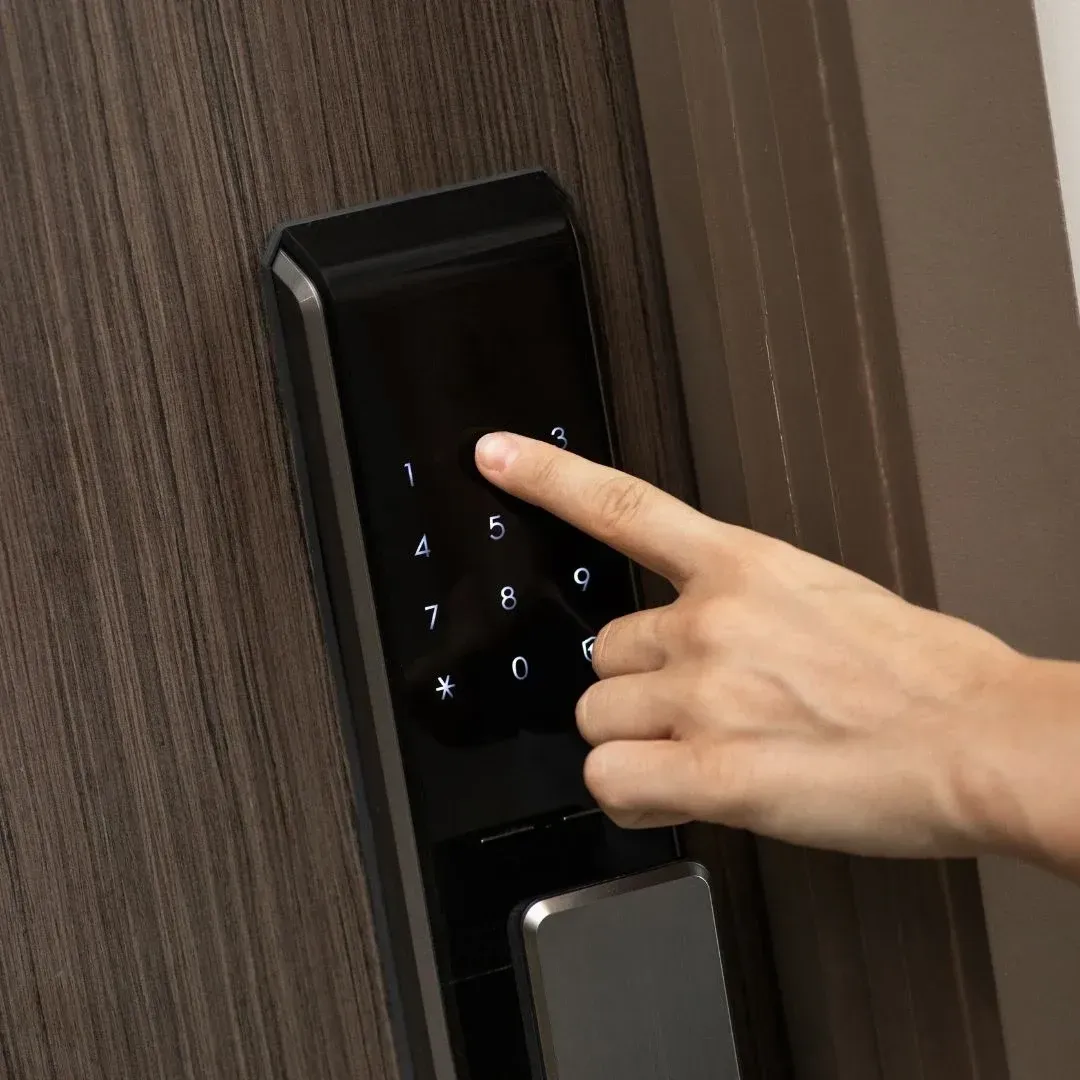
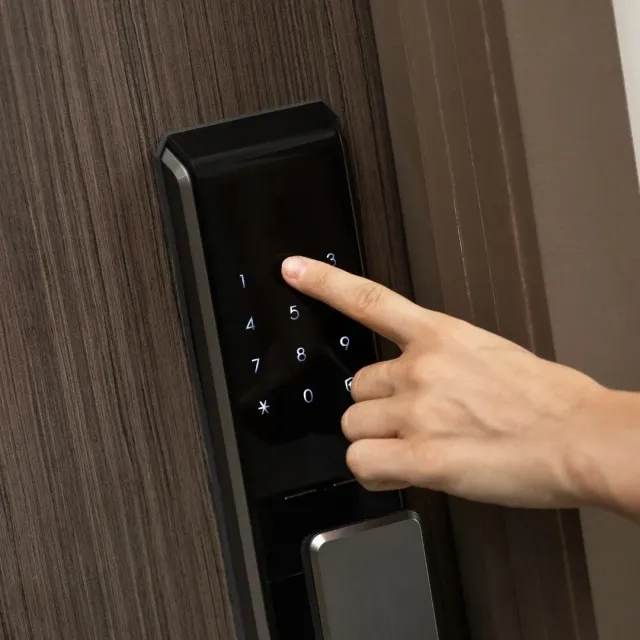
Humidity and weather exposure can affect smart locks when the unit is not rated for the installation location or when moisture reaches its electronic components. Choosing the correct model and installing it properly are more important than simply buying the newest lock.
Before installing a smart lock, check the manufacturer’s:
- Outdoor temperature range
- Humidity recommendations
- Weather or water-resistance rating
- Approved door thickness
- Installation instructions
- Battery requirements
The exterior keypad may be weather-resistant while the interior battery and electronic housing are designed to remain inside a protected space. Loose seals, poor door alignment, and direct rain exposure can still cause performance problems.
Possible warning signs include:
- Rapid battery drain
- Delayed keypad responses
- An unreliable fingerprint reader
- A motor that struggles to move the deadbolt
- Repeated jam or alignment alerts
- Intermittent connection problems
A struggling smart lock does not always have an electronic defect. A swollen door may place enough pressure on the deadbolt to make the motor work harder.
Professional
lock installation helps ensure that the deadbolt, strike plate, door preparation, and electronic components are properly aligned. Homeowners considering an upgrade can also review these
5 signs it is time to upgrade home security locks.
Should You Repair, Rekey, or Replace a Humidity-Damaged Lock?
Repair is usually appropriate for minor alignment or maintenance problems, while replacement is safer when corrosion or structural damage has weakened the hardware. Rekeying changes who can open the lock but does not repair a damaged lockset.
Choose Lock Repair When:
- The strike plate is slightly misaligned
- The door has begun to sag
- The latch moves slowly but is not badly corroded
- Screws or exterior components are loose
- The cylinder can be cleaned and serviced safely
A professional may be able to restore the existing hardware without replacing the entire lock.
Choose Rekeying When:
- You recently purchased a home
- You moved into a rental and have permission to change access
- A key was lost or stolen
- Former contractors, tenants, or occupants may have copies
- You want several compatible locks to work with one key
Professional
lock rekeying changes the internal pin configuration so previous keys no longer work. However, severely rusted or worn hardware should be repaired or replaced rather than rekeyed alone.
Choose Lock Replacement When:
- The cylinder has severe internal corrosion
- The lock remains unreliable after repair
- The deadbolt or latch is cracked
- The exterior hardware is heavily rusted
- The lock has been damaged during a break-in
- The hardware no longer meets your security needs
Review the
top signs it is time to replace your door locks before deciding whether continued repairs make sense. If repeated force has bent or damaged the key, professional
key replacement may also be needed. Replacing the key alone will not solve a misaligned or corroded lock, so the hardware should be checked first.
When Should You Call a Professional Locksmith?
Call a professional when the key no longer turns normally, the deadbolt does not align, corrosion is visible, or a smart lock repeatedly reports a jam. Early service is usually simpler than dealing with a broken key or a lock that fails while the door is closed.
Arrange an inspection when you notice:
- A key that turns harder than it used to
- A deadbolt that requires pushing or pulling the door
- Rust, grinding, or scraping inside the lock
- A loose cylinder or handle
- A latch that does not fully extend
- A smart lock motor that repeatedly struggles
- A key beginning to bend, crack, or wear down
Stop using the lock if the key feels close to breaking. Removing a broken key and repairing the cylinder may cost more than correcting the original alignment problem.
If the lock fails and leaves you unable to enter or secure your home, contact a
24-hour locksmith. You can also learn why access to
24-hour emergency locksmith services in Montgomery matters when a damaged lock becomes an urgent problem.
Lock Maintenance Tips for Montgomery’s Climate
A quick seasonal inspection can catch humidity-related lock problems before they become emergencies. Check exterior doors in late spring and again after the most humid part of summer.
Use this homeowner checklist:
- Test each lock with the door open and closed
- Tighten loose hinge and hardware screws
- Look for rust, discoloration, and water exposure
- Clean exterior hardware with mild soap and a soft cloth
- Use only the manufacturer-recommended lubricant
- Replace worn or bent keys
- Check smart-lock batteries and weather seals
- Schedule service if the door must be forced to lock
About Time Locksmith serves homeowners throughout
Montgomery, Prattville, Wetumpka, and surrounding service areas.
Protect Your Montgomery Home from Humidity-Related Lock Damage
Humidity-related lock problems are easier to manage when they are caught early. A small alignment adjustment or professional cleaning may prevent a broken key, damaged cylinder, or unexpected home lockout.
Contact
About Time Locksmith at
(334) 868-5628 to schedule a
residential lock inspection, repair, rekey, or weather-resistant upgrade in Montgomery and nearby communities.
FAQs About Humidity and Door Locks
How often should I inspect my exterior locks in Alabama?
Inspect exterior locks at least twice a year and whenever their operation changes. Late spring is a good time to check alignment and corrosion before Montgomery’s most humid summer weather arrives.
Can I fix a sticking lock by lubricating it?
Lubrication may help when the internal mechanism is dry, but it will not correct a swollen door or misaligned strike plate. Test the lock with the door open first and use only a lock-specific product recommended by the manufacturer.
Why does my deadbolt work when the door is open but not when it is closed?
The deadbolt and strike plate are probably out of alignment. A swollen or sagging door can move the bolt slightly away from the strike opening and create resistance when you turn the key or thumb turn.
Does a rusty lock always need to be replaced?
Minor surface rust does not always require replacement, but internal corrosion can make a lock unreliable. A locksmith can open and inspect the hardware to determine whether repair is safe or replacement is the better choice.
Can humidity make a smart lock drain batteries faster?
Environmental conditions, repeated motor strain, battery quality, and door alignment can all affect battery life. If a smart lock is repeatedly jamming or draining batteries, have the door alignment and installation checked before replacing the unit.
SHARE THIS ARTICLE
RECENT ARTICLES